

Humanities
Mission
-
To nurture every Montfortian to be responsible, respectful and reflective global citizens who show care and concern for the world around them.
-
To deliver a stimulating, learner-centred curriculum that nurtures critical thinking, instils values, and shapes character.
-
To develop every Humanities Teacher to be a competent and skilful designer of learning environments, who is committed to continuous learning and excellence.
Our Team
Head of Department – Mdm Fong Mei Yi, Danielle
Subject Head (Geography) – Mr Mansoor Bin Abdul Rahman
Subject Head (Character and Citizenship Education) – Ms Ong Yew Yi Eve
Senior Teacher (History) – Mrs Punitha Ramesh
Senior Teacher (Social Studies) – Ms Jamie Low Guan Lin
Teacher – Ms Leong Kar Wai Karen
Teacher – Ms Bose Sayori
Teacher – Mr Kwok Kar Hou Mathew Teacher
- Ms Nithya Selvaraju Teacher
- Ms Nurul Aqilah Minhaj
Instructional Programme
|
|
|
|
|
|
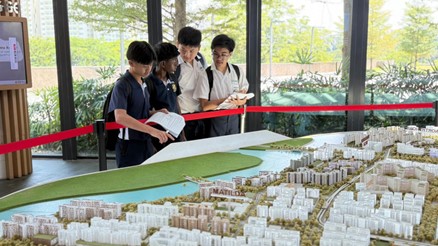
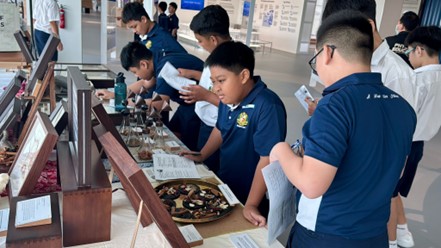
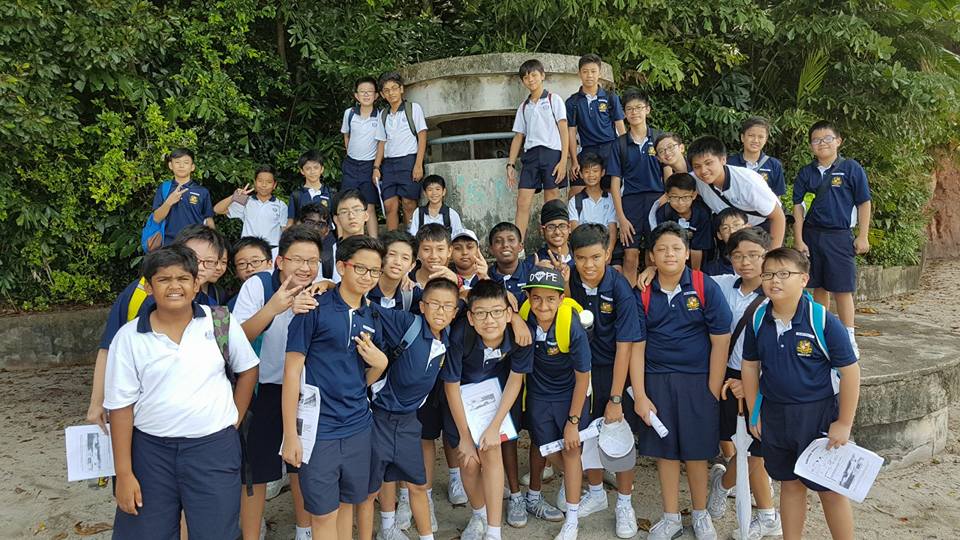
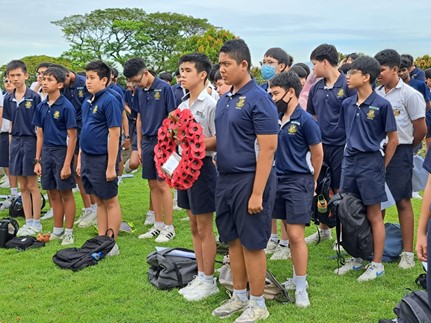
To equip Montfortians for the VUCA (volatile, uncertain, complex, and ambiguous) realities of the globalised 21st-century world, the Humanities Department aims to cultivate critical and inquiring minds, deep disciplinary understanding, and values that inspire them to be discerning and caring contributors to society.
Department Pedagogy
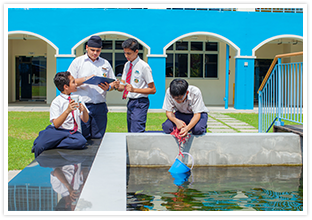
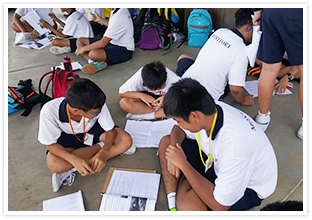
Every Humanities student will be engaged in Humanities investigative tasks (Historical Investigation, Geographical Investigation and Social Studies Investigative Tasks) both in Lower and Upper Secondary to explore real-world issues through inquiry, analysis, and reflection. These tasks encourage students to ask critical questions, gather and interpret information from various sources, and develop evidence-based conclusions.The process of learning and deepening inquiry skills is achieved through a spiral curriculum, curated opportunities for student-led inquiry and collaboration, use of visible thinking routines to encourage metacognition and structured, well-paced lessons for students to establish routines and be familiar with expectations.
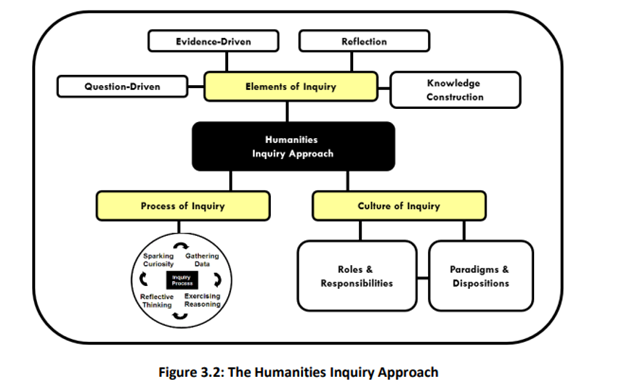
(Extracted from the History Teaching and Learning Guide)
1. Spiral Curriculum from Lower Secondary to Upper Secondary
Key content and skills are progressively built from the lower to upper secondary level.
Lower Secondary: Inference and Comparison Source-Based Skills (History), Describe Trends, Explain Phenomena, Compare and Contrast and Geographical Investigation (Geography)
Upper Secondary: Reliability, Usefulness and Assertion Source-Based Skills (History and Social Studies), Analysis, Assess, Evaluate and Discuss (Geography)
2. Explicit teaching of study skills to nurture self-directed and independent learners
-
Cornell-note taking &colour-coded graphic organisers
-
Using of self - and peer - checklists in understanding and responding to varied demands
-
Use of the Student Learning Space (SLS) to facilitate learning
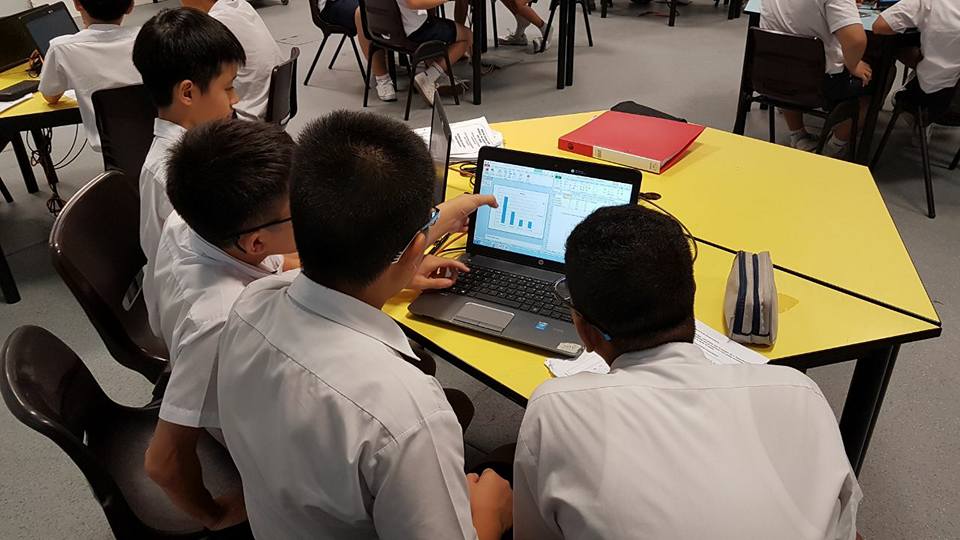
3. Collaborative Learning
-
Cooperative learning strategies
-
Peer-teaching and learning
-
Clearly-defined roles within groups
4. Use of visible thinking routines to encourage metacognition in students
-
I used to think…now I think
-
What makes you say that?
-
Step Inside
-
See-Think-Wonder
-
Circle of Viewpoints
5. Structured lesson designs to establish routines and expectations
-
Explicit lesson outcomes
-
Use of exemplars to set high expectations
-
Use of success criteria and rubrics
-
Checking for understanding
6. Meaningful Learning Experiences Beyond the Classroom
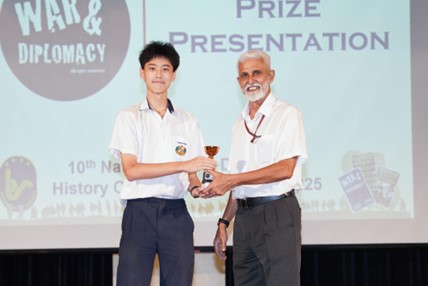
Through our Humanities curriculum, we also seek to excite our Montfortians by creating authentic learning experiences that extend beyond the classroom. This includes programmes planned during the Learnfest periods which take place twice a year, as well as selected competitions such as the Straits Times Competition, NUS Geography Challenge and the War & Diplomacy History Card Game Challenge.